
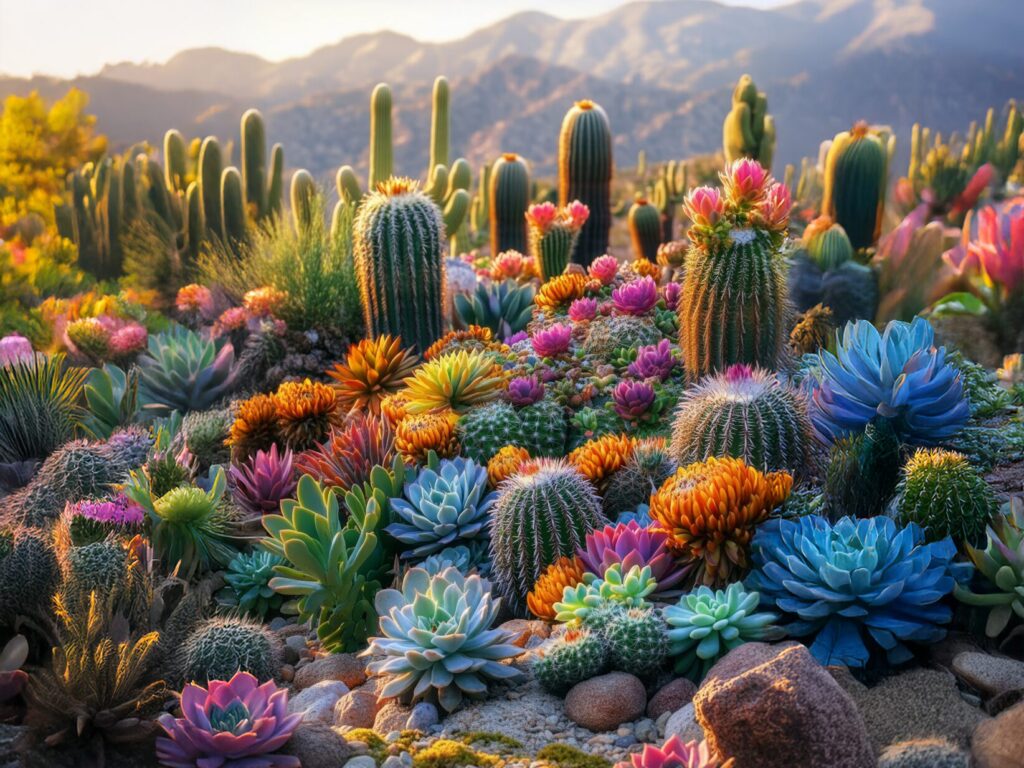
Embracing a Life of Color, Within and Without
Color is everywhere.
It stretches across the morning sky, rests quietly in the green of a leaf, appears in the clothes we choose, the art we create, and the spaces we call home.
We live surrounded by color.
But perhaps color is not only something we see.
Perhaps it is also something we experience.
A color can catch our attention.
Awaken a memory.
Spark curiosity.
Invite us to create.
Remind us of a place, a person, or a moment we treasure.
Color lives around us.
And in its own way, color can come alive within us, too.
Our Relationship with Color
Have you ever wondered why you are drawn to certain colors?
Perhaps there is a blue you return to again and again.
A yellow that makes you smile.
A green that reminds you of being outdoors.
Or a brilliant orange, pink, or turquoise that seems to wake something up inside you.
There may be a story behind that connection.
Or perhaps there isn’t.
Sometimes we simply love a color because we do.
Color theory helps us understand some of the relationships between colors—how they interact, contrast, harmonize, and change depending on what surrounds them.
But it does not have to tell us what we should feel.
Our relationship with color can also be personal.
It can be discovered.
Warmth and Energy
Reds, oranges, and yellows are often called warm colors.
We find them in sunlight, fire, autumn leaves, flowers, fruit, and glowing sunsets.
Warm colors can bring energy and visual warmth to a composition or space. A bright yellow beside a quiet neutral may suddenly draw the eye. A touch of orange can bring a different energy to a room filled with cooler colors.
But you do not need to know the name of a color relationship to experience it.
You can simply notice.
What happens when you encounter a warm color you love?
Does your eye linger?
Does something within you become a little more awake?
Space and Stillness
Blues, greens, and many purples are often described as cool colors.
They surround us in skies, water, forests, distant mountains, shadows, and the changing light of evening.
Cool colors can bring a sense of visual spaciousness and quiet. They can also be deep, dramatic, mysterious, fresh, or wonderfully alive.
A color does not have to carry only one feeling.
A deep blue may remind one person of peaceful water and another of a night filled with possibility.
Perhaps that is part of the wonder of color.
We bring something of ourselves to what we see.
Harmony and Contrast
Look closely at nature and you will find colors continually meeting one another.
Green leaves beside yellow flowers.
A blue sky behind orange autumn branches.
Purple petals with centers of gold.
Some colors sit close together on the color wheel. These are known as analogous colors, and their similarities can create a gentle sense of harmony.
Others sit opposite one another. These are complementary colors—such as blue and orange, or purple and yellow. Their differences create contrast and can make each color appear more vivid.
Harmony and contrast may seem like opposites.
Yet both can bring beauty.
One allows colors to flow together.
The other allows them to stand apart.
Perhaps there is something to appreciate in both.
There Is More Than One Blue
Color becomes even more interesting when we begin noticing its variations.
A pale blue morning sky is not the same blue as deep water.
A soft sage green feels different from the brilliant green of new spring growth.
A whisper of pink carries a different presence than a vivid magenta.
Brightness, depth, intensity, light, and the colors nearby all influence what we see.
The more closely we look, the more there is to notice.
And perhaps this is where color theory becomes something more than theory.
It becomes curiosity.
Instead of asking only, What color is this?
We might begin asking:
What do I notice about this color?
What changes when another color is placed beside it?
What does it awaken in me?
Bringing Color Into Everyday Life
Creating a more colorful environment does not necessarily mean painting every wall or filling every corner.
Sometimes a small touch of color is enough.
A flower beside your bed.
A colorful mug that makes the morning feel a little brighter.
A painting that invites you to pause.
A green plant reaching toward the window.
A favorite scarf.
A bowl filled with lemons.
Something you created simply because you wanted to see what might emerge.
These small choices can become expressions of what we enjoy and appreciate.
They allow something from within us to find its way into the world around us.
And the world around us, in turn, can inspire something within.
A Colorful Moment
Pause for a moment wherever you are.
Look around.
What color finds you first?
Do not worry about why.
Simply notice it.
Notice its brightness or softness.
Notice the colors beside it.
Notice whether your attention wants to stay there for another moment.
Then turn your attention inward.
Is there a color you find yourself longing to see more of lately?
A color you would like to wear, paint, plant, photograph, arrange, or simply notice more often?
You do not have to do anything with the answer.
Curiosity is enough.
Embracing a Life with Color
Perhaps living a colorful life is not about surrounding ourselves with as many colors as possible.
Perhaps it is about becoming more awake to the colors already present.
The colors outside our windows.
The colors we choose.
The colors nature offers freely.
The colors that hold memories.
The colors that spark imagination.
The colors we create.
And the colors we have yet to discover.
Color can invite us to look again at something familiar and see it differently.
To notice beauty in an ordinary moment.
To become curious about what draws us closer.
And perhaps, little by little, the colors we notice around us help us discover something quietly colorful within ourselves.
What color is calling for your attention today?
Perhaps you might simply notice where it leads.
© 2026 colorfulthanks.com, All rights reserved.